
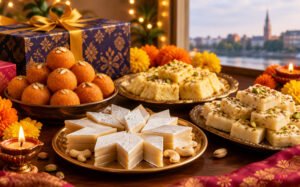
Hosting Diwali at home this year? A good Punjabi menu for 20 to 100 guests needs four to five starters, two or three curries with dal, rice and fresh breads, and around 100g of mithai per person. Get those numbers right and the rest of the night looks after itself.
Diwali falls on Sunday 8 November 2026, so most UK families will host on the Saturday or the Sunday itself. That leaves very little time. I’ve cooked for, planned and eaten at more Diwali parties than I can count, and the same lesson comes up every year: people remember the food long after the fireworks fade.
Punjabi cooking suits a big gathering better than almost any other regional style. The dishes are generous, they hold well in a chafing dish, and nearly everyone from your nani to your neighbour’s teenagers will happily eat them. Below you’ll find a full starter, main and sweet plan, real quantities for 20, 50 and 100 guests, and an honest look at what to cook yourself and what to hand over to a trusted local name like Maharaja Sweets.
Plan for roughly 6 to 8 starter pieces, 400 to 450g of cooked mains, 75g of uncooked rice, two breads and 100g of mithai per adult. Children eat about half. Those figures come from years of watching what actually gets eaten at UK house parties, not what looks good on paper.
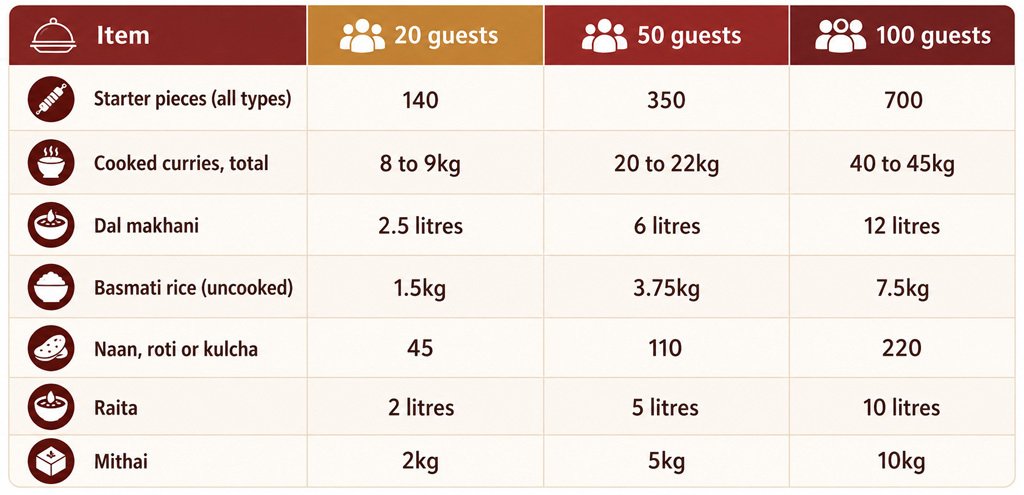
A quick tip from experience: Punjabi guests always go back for seconds of the paneer and the dal. Bump those two up by about 15% and trim the third curry instead. You’ll waste far less food on Monday morning.
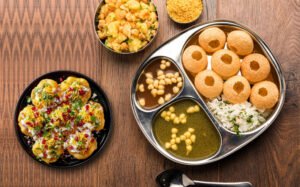
The best Diwali starters are ones guests can eat standing up, with one hand, while holding a drink in the other. Pick four or five from the list below and mix fried, grilled and fresh so the plate doesn’t feel heavy before dinner even starts.
Keep vegetarian and non-vegetarian trays on separate tables with clear labels. Older relatives will thank you for it.
A solid Punjabi Diwali main course has one paneer dish, one dal, one dry or semi-dry vegetable and, if you serve meat, one curry. Add rice, two kinds of bread and raita, and you have a spread that feels lavish without being chaotic.
Paneer. Shahi paneer or paneer butter masala are the crowd-pleasers. Kadai paneer is a good choice if you want something less rich. Use full-fat paneer from an Indian grocer, not the squeaky supermarket blocks, and soak it in warm water for ten minutes before adding to the gravy.
Dal makhani. Non-negotiable at a Punjabi party. Start it the day before. Whole urad and rajma need slow cooking, and the flavour improves overnight. Finish with butter and cream just before serving.
Vegetables. Aloo gobi, bhindi do pyaza or a sarson ka saag if you can find mustard greens in November. Something green on the table matters.
Meat options. Butter chicken is the obvious pick and for good reason. Lamb rogan josh or a dhaba-style chicken curry suit guests who prefer more heat.
Rice and bread. A jeera rice or a vegetable pulao keeps things simple. For breads, roti, and paratha all hold up in a warm oven wrapped in foil for about 30 minutes. Serve boondi raita, a kachumber salad and plenty of pickle on the side.
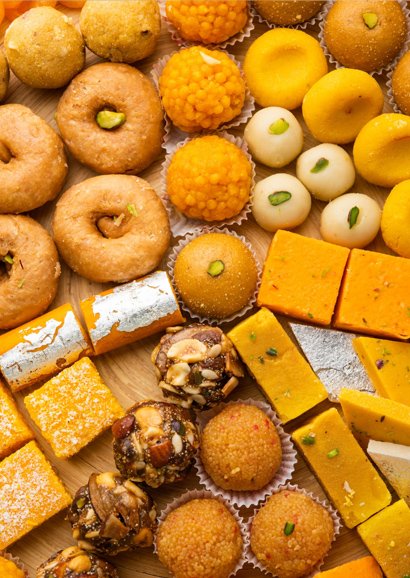
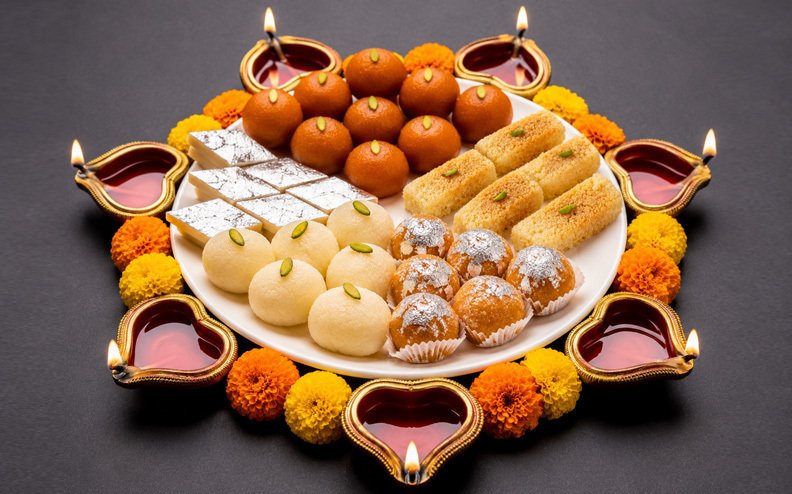
Diwali without mithai isn’t Diwali. Serve one warm dessert from your own kitchen and a platter of four or five bought sweets, and you’ve covered every taste in the room.
For the warm dessert, gajar ka halwa is the classic winter choice, and it’s easy to scale. halwa is richer and more of a labour of love. Kheer served chilled in small cups is a lighter option that works brilliantly for bigger numbers, because you can make it a day ahead.
The mithai platter is where buying makes far more sense than cooking. Good barfi, ladoo rely on techniques that take years to learn. A strong Diwali tray usually includes:
Order early. Sweet shops across Berkshire and west London are flat out in the fortnight before Diwali, and the best trays sell out. If you’re local, it’s worth looking at the Diwali Sweets in Slough guide to see what’s popular this season, then place your order a week ahead. You can also Order Authentic Indian Sweets online and collect on the day, which saves a lot of queuing on the busiest weekend of the year.
One small thing that makes a big impression: buy a few extra boxes for guests to take home. Sending people off with mithai is a lovely Punjabi habit worth keeping.
The right menu shrinks in variety as the guest list grows. More dishes for 20 people feels generous; more dishes for 100 people just means more things that run out or go cold.
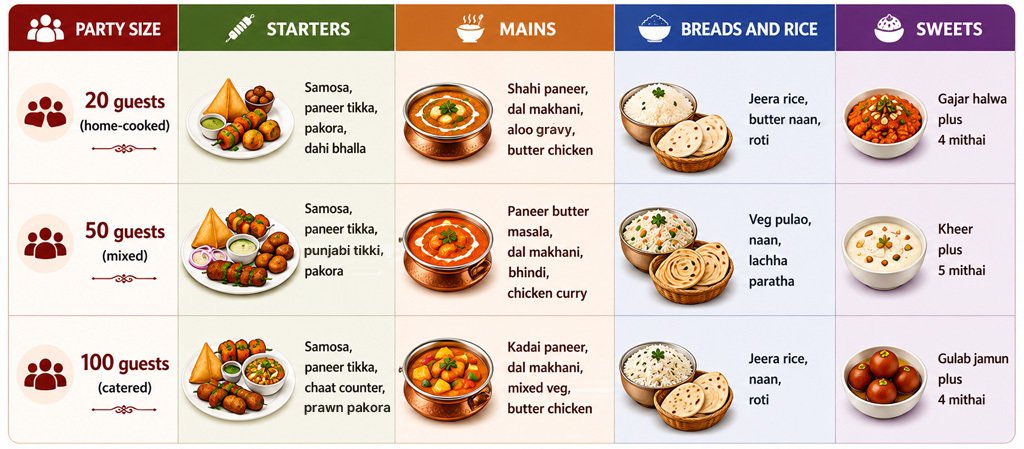
At 20 guests you can realistically cook almost everything yourself with a couple of helpers. At 50, cook the dal and the halwa at home and buy in the starters and sweets. Past about 70 people, a home kitchen simply doesn’t have the hob space, and that’s when professional help pays for itself.
Most UK hosts get the best result from a mix. Cook the one or two dishes your family is known for, then bring in the rest. Nobody at the party will rate you lower for buying samosas, but they will notice if you spend the whole evening stuck at the hob.
For smaller gatherings, a good Indian Takeaway & sweets shop can supply trays of starters, curries and mithai in one order, which cuts down on running between shops. For 60 guests or more, look at proper Party & Wedding Catering services that bring chafing dishes, serving staff and enough food to cover the late arrivals.
Here’s a simple timeline that works:
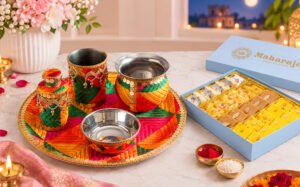
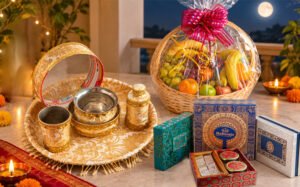
The table itself deserves a little thought too. Rangoli at the door, rows of clay diyas and tidy serving platters lift the whole evening. Shops that stock Wedding Accessories often carry decorative mithai boxes, thaals and festive trays that suit Diwali just as well as a shaadi.
The bottom line: pick a short menu, cook what you love, and buy the rest from people who do it every day. Your guests came to see you, not to watch you sweat over a kadhai.
With Diwali only days away, the smart move is to lock in your numbers tonight and get your sweets order in this week. If you’d rather taste before you commit, pop into the shop, have a chat about your guest list and try a piece or two. You’ll find opening hours, directions and recent reviews on our Google Business listing.
Shubh Deepavali to you and your family. May the house be full, the plates be fuller, and the kaju katli last at least until the fireworks.